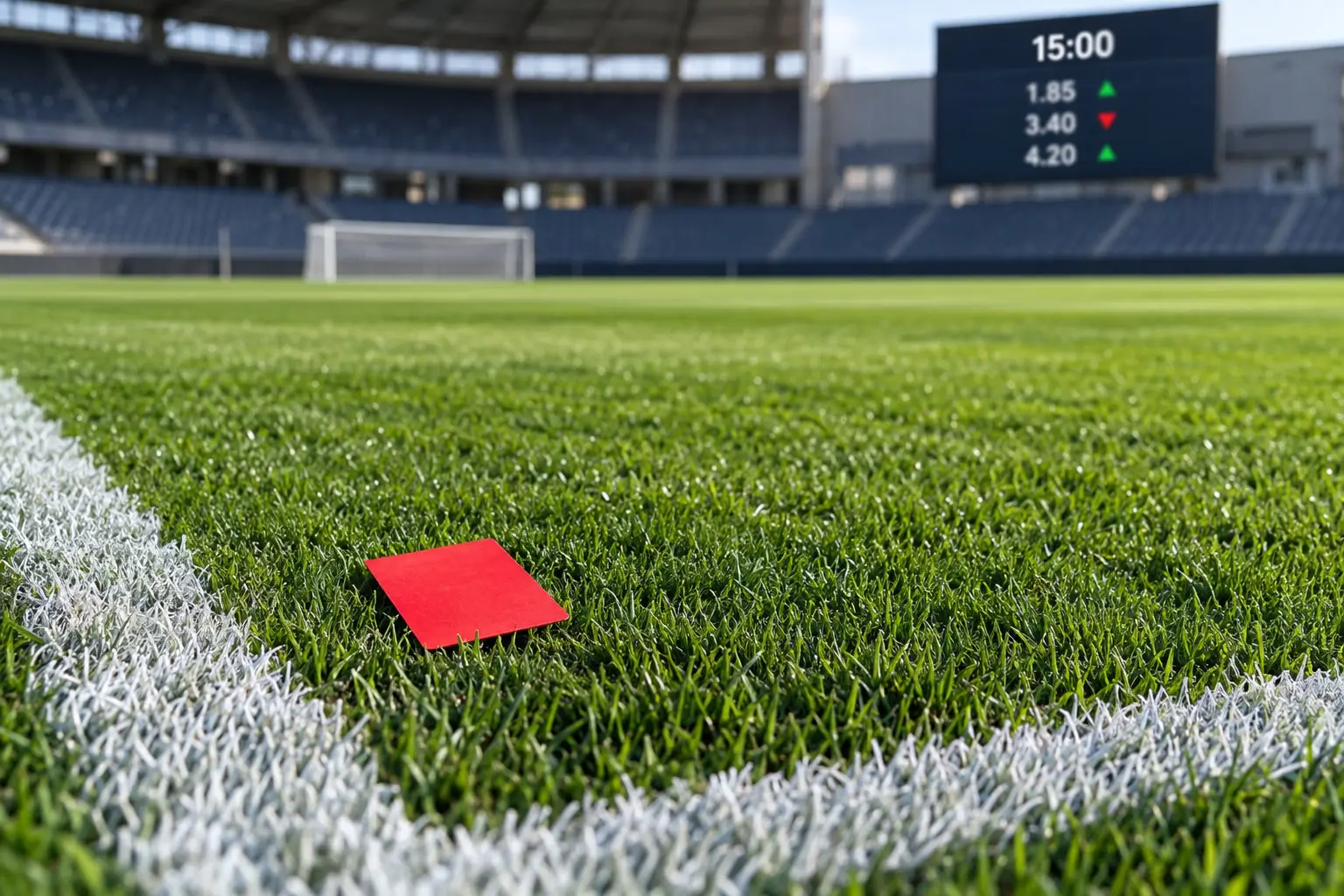
Every football match is shaped by unexpected swings. In particular, a powerful 15-minute window, a single goal, a sudden red card or strategic substitutions can completely change the scoreline and the perception of who is in control now. These moments are not only decisive for coaches and players, but also reflected in the immediate evaluation of the value of the game by fans, analysts and betting markets. At such intervals, the match re-evaluation uses a network of live data feeds and sophisticated algorithms that monitor the state of the game and adjust the odds and statistical predictions in real time.
This dynamic environment means that fans and traders alike must react quickly to new developments, relying on instant information about goal opportunities, disciplinary actions and tactical changes to guide their decisions. Live platforms deliver this context directly to your screen, turning every 15-minute swing into a period of heightened attention, anticipation, and sometimes rapid reaction.
Impact of goals during key match intervals
Scoring in a short window, especially before or after halftime, can change the rhythm of a match. These crucial moments force teams to adjust strategies immediately – either to maintain a lead or chase an equalizer – causing betting markets to recalculate risk and reward in seconds. The statistical models that drive these live shifts, like the in-game score prediction models, are updated with every goal occurrence, taking into account pace, team form and remaining match time.
For viewers and supporters alike, this means that a single shot can have a huge impact on perceptions and odds. Real-time revaluation makes it clear how quickly a few game moments can eclipse previous expectations, so engaged fans and market makers alike are watching these swings closely for opportunities and threats.
Importance of cards and disciplinary actions
Disciplinary action, such as a yellow or red card, is another important element in the reevaluation of a live match. A red card, in particular, immediately changes the dynamics of the team and the probability of the game. Bookmakers and analysts use live data to recalibrate models, often increasing odds for the penalized team and shortening them for their opponents. This real-time response is especially evident during the tight 15-minute periods when the tempo rises and fouls are more frequent.