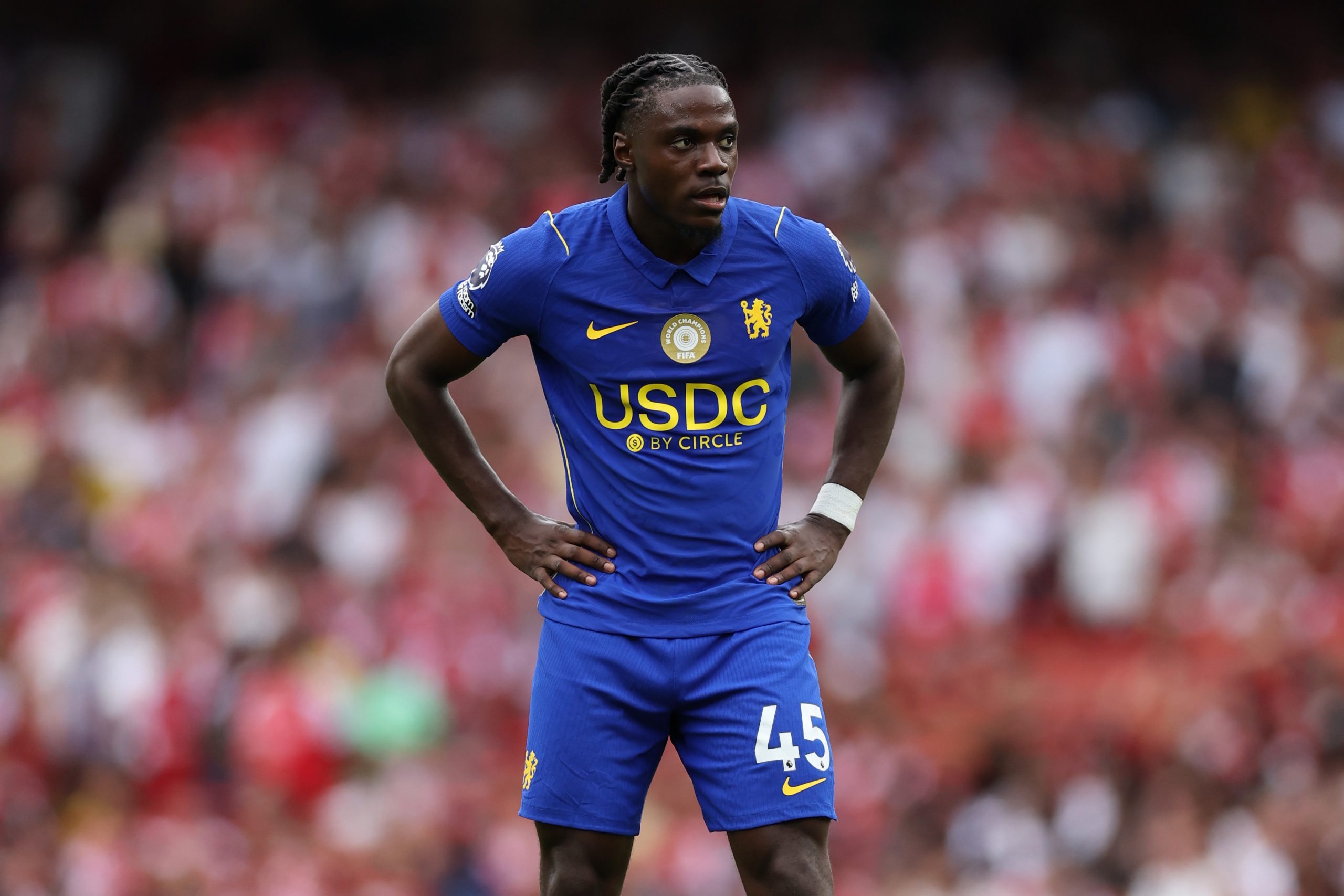
Romeo Lavia’s availability is one of the more useful talking points as Chelsea prepare to face Bournemouth. To imagine that the introduction of a specialist midfielder automatically restores control. He will only do this if the players around him make this control possible.
Talk Chelsea’s update on Lavia’s availability after international duty on 6 October offered encouraging news ahead of his return to club football. His participation still depends on the final selection. The tactical question is what Chelsea will ask him to defend if he plays.
Give the midfielder a manageable job
A player holding his hand cannot cover both the touchline and the space in front of the center backs at the same time. If Chelsea push their wide backs forward, the rest of the players have to decide who will stay close enough to intercept the first counter-attacking pass.
Equally important is the position of the closest attacking midfielder. A shortstop can offer Lavia a safe pass from pressure. One who stays high can shoot his opponent from behind. Both jobs are useful, but Chelsea need their combination more than everyone moving towards the ball.
This should make the next passage easier to read. Lavia receiving with a teammate available behind the first line of pressure is a different proposition than Lavia collecting the ball with three opponents checking their options.
There is a timing problem in valuing this return through the betting market. Encouraging fitness report, bench space and confirmed starters provide different insights into Chelsea’s midfield. A comparison of Betway’s latest football betting odds before and after the team news should start by identifying what has actually changed. Chelsea’s shorter price tag alone cannot prove Lavia’s presence prompts a move, especially while other selection decisions remain undecided.
First pass after turnover
The most useful evidence may be an ordinary five-meter passage. If Chelsea regain possession and immediately force the ball into a crowded attacking area, the formations may invite another pass without recovery.
Lavia can help the team by making a secure first contact. It doesn’t require slowing every attack. This means recognizing when a forward pass can free someone up and when a short combo will create a better opening a moment later.
There are also benefits in terms of defense. Holding the ball after recovery allows full-backs and midfielders to get back into positions where the next attack can be supported. Possession becomes a means of organizing the team rather than a statistic for its own sake.
PlaybookWire’s report on the growing role of sports analytics provides context for looking beyond the headline. A useful observation in this situation is whether Chelsea retain useful options around the ball when the pressure is on.
Lavia’s return might help. Chelsea still need to give him the distances he can control, the lanes he can use and the support that stays connected when the attack breaks down. This will make encouraging team news a more manageable performance.