FIFA has allowed the Democratic Republic of Congo to participate in this summer’s World Cup.
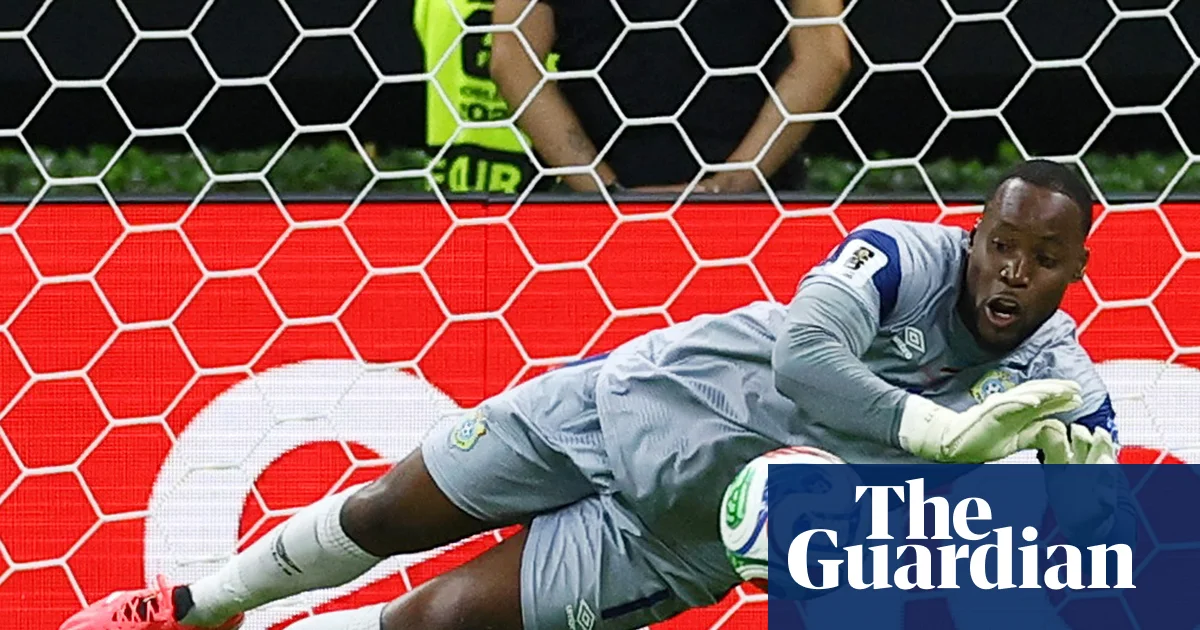
The player in question, goalkeeper Lionel Mpasi, played for his national team in the last 32 tournament, including against England. Mpasi who was born and wore the jersey in France. Blues It was reported that FIFA has determined that the process of changing nationality at the youth level has not been completed at all. The Congolese federation did not impose any penalty against Fekofa.
The news will again raise questions about FIFA president Gianni Infantino, and a series of governance scandals will increase attention to his position. FIFA’s investigative teams are independent and the president has no influence on their process. FIFA is understood to have denied that Infantino played a role in the decision-making process regarding Mpasi, but his name will remain in the spotlight as former university staffer Veron Mosengo-Omba is elected unopposed as Fecofa president this May.
The Nigeria Football Federation lodged a complaint in November over the DRC’s fielding of clearly ineligible players during a World Cup play-off match between the nations, which the DRC won on penalties.
According to the New York Times and Le Monde, FIFA investigators were aware of Mpasi’s condition before the DRC beat Jamaica in the final round of the intercontinental play-off in March. Faced with a number of possible responses, including banning the DRC from the play-offs, Fifa chose to dismiss Nigeria’s appeal because it was not submitted within the required time frame.
Nigeria has appealed the decision and government officials have suggested they may seek financial compensation for their losses, with a member of Nigeria’s national sports commission, which regulates sports, telling ESPN: “No decision has been made yet, but we will seriously consider seeking compensation from Fifa for all the economic losses this has caused to Nigeria.”
Concacaf, the confederation of North and Central America and the Caribbean, which includes Jamaica among its members, said it “takes player eligibility issues very seriously and expects the relevant rules and procedures to be applied consistently and fairly in all competitions”. In a statement, it asked that “any concerns regarding player eligibility” be “thoroughly reviewed and resolved through the appropriate governing and disciplinary bodies of FIFA.”
A FIFA spokesman said: “FIFA can confirm that there are no eligibility issues for the Democratic Republic of the Congo’s matches against Jamaica and the subsequent FIFA 2026 World Cup. As noted, FIFA’s disciplinary committee has dealt with a protest by the Nigeria Football Federation and it has been decided that the protest should not be upheld.”
Caf, the Nigeria Football Federation and Fecofa have been contacted for comment.
after the newsletter promotion
Norway’s soccer federation confirmed on Tuesday that it had sent a three-pronged complaint to FIFA over its handling of the case, including a decision to overturn the red card handed out to United States soccer player Folarin Balogun after Donald Trump’s phone interference. Other examples cited by the NFF are the FIFA peace prize and the abandoned plan to sell a stake in the World Cup to investors, known as the FIFA Forward Enterprise scheme.
“Each of these cases must be evaluated on the facts of each individual case,” said NFF President Lise Klaveness. “At the same time, the circumstances point to a more fundamental question: has FIFA’s position, power or influence been misused and, if so, are the mechanisms that are supposed to prevent this function working as they should?”