Every name tells a story.
Football club nicknames often reveal more than supporters think. Some reflect local industries, others come from kit colors, historical figures or unusual traditions. Over time, these names become part of the team’s identity, appearing in songs, titles and conversations between fans.
Here are ten famous football club nicknames and the history behind them.
1. Arsenal – Gunners
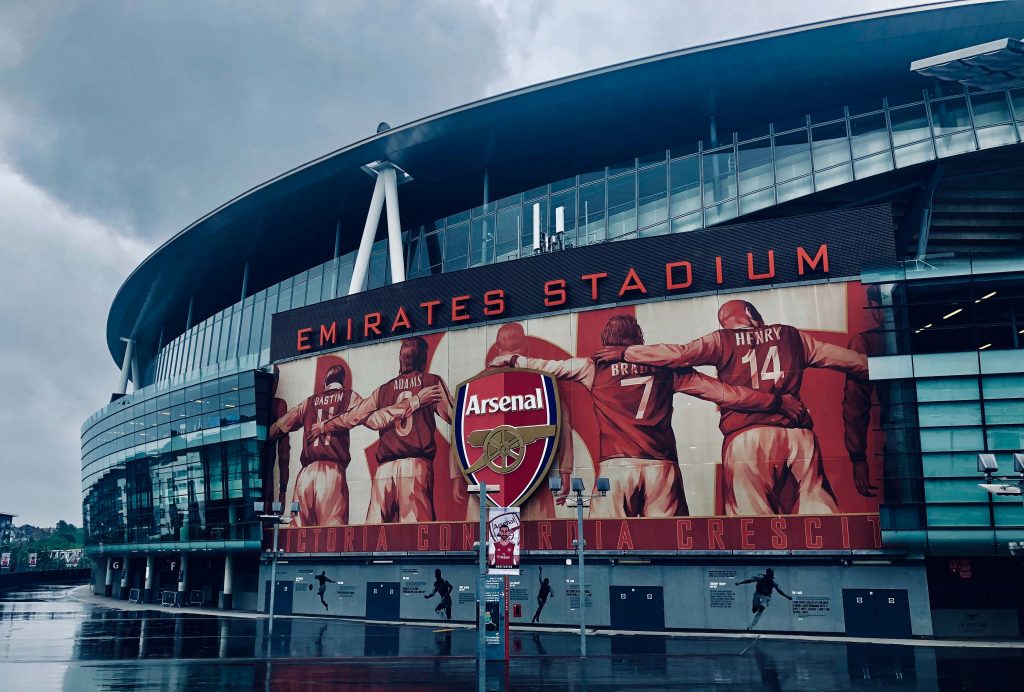
Arsenal’s nickname reflects the club’s industrial beginnings. Founded in 1886 by employees of the Royal Arsenal arms factory in Woolwich, the club was first named Dial Square.
Some supporters like to add a small matchday bet on the Gunners. Fans looking for a reliable place to play in Poland can find an online casino in Polskie Sloty expert reviews, which explain bonus terms and wagering requirements to help players make informed decisions.
As for the moniker, the club’s association with arms manufacturing made the Gunners a natural fit, and the top ball reinforces the association with its creative workforce. Although Arsenal moved to Highbury, north London, in 1913, the nickname survived to remind the club of its working-class origins.
2. Manchester United – Red Devils
The nickname of “Manchester United” was created during the management of Matt Busby. Busby admired the name given to the Salford rugby league club the Red Devils, whose red shirts on the 1934 tour of France led the French press to call them “Les Diables Rouges”.
United’s youth side was known as the Busby Babes. After the 1958 Munich air disaster, Busby adopted the more sinister identity of the Red Devils in the early 1960s, with the devil later appearing on the club’s crest.
3. Everton – Sweets
Everton’s nickname is linked to the sweet shops near the club’s early home in Liverpool. One popular explanation relates to Ana Noblett, who sold Everton mints near Goodison Park. Another points to Ye Anciente Everton Toffee House, run by Molly Bushell.
Its exact origins remain disputed, but the connection with local confections is well established. The Toffee Lady tradition, where sweets are thrown into the crowd before Everton’s home matches, strengthened the bond.
4. Bayern Munich – Reds
Bayern’s nickname Die Roten means “Reds” in German. This refers to the club’s famous red colors that stand out on their home jerseys.
Although Bayern have used various kit designs over the years, red remains central to the club’s identity.
5. Chelsea – Blues
After manager Ted Drake was appointed in 1952, he began to modernize Chelsea’s identity. He wanted to move away from the Pensioners moniker, named after Chelsea Pensioners of the nearby Royal Hospital. He helped establish the Blues, citing the team’s royal-blue jerseys.
Chelsea won their first league title in 1955. Then the Blues identity was firmly established.
6. West Ham United – Hammers
West Ham United was founded in 1895 as Thames Ironworks FC and took its current name in 1900. Its founders worked in the shipbuilding and metalworking industries of east London.
The Hammers moniker reflects this industrial heritage. The club’s cross hammers reinforce the connection, while the Irons remain another familiar moniker.
7. Barcelona – Blaugrana
Barcelona’s nickname, Blaugrana, combines the Catalan words for blue and garnet. These colors became part of the club’s identity shortly after its founding in 1899. Several theories explain why the founders chose them, but the reason remains unclear.
8. Real Madrid – Los Blancos and Los Merengues
Real Madrid are known as Los Blancos, meaning “The Whites”, due to their traditional all-white jersey. This nickname reflects one of the most recognizable visual personalities in world football.
The same color inspired Los Merengues, comparing white shirts to meringue. Spanish radio commentator Matias Prats Canete popularized the term.
Learn more about the history of El Clásico nicknames from LaLiga.
9. Naples – Parthenopians
Napoli is known as I Partenopei, a nickname derived from the ancient history of their hometown. The name comes from Parthenope, a figure in Greek mythology associated with the area where Naples developed.
According to legend, Parthenope was a siren who failed to seduce Odysseus. In despair he threw himself into the sea and was drowned, and his body washed ashore where Naples now stands.
For Napoli, the nickname represents a connection to the city’s Greek heritage and cultural identity. It also differentiates the club from teams whose nicknames reflect shirt colors or industry history.
10. Inter Miami – Herons
Founded in 2018, Inter Miami CF has built its identity around the culture and natural environment of South Florida. The club’s nickname, the Herons, comes from the two large white chimneys on its crest.
Birds represent the wildlife of the region. Their intertwined legs form the M for Miami, and the design reflects the club’s ambition to represent a diverse, internationally connected city. Inter Miami unveiled its name, crest and colors in September 2018 ahead of its inaugural Major League Soccer season in 2020.
These ten nicknames reveal how football history survives with familiar words. Some preserve industrial heritage, while others celebrate colors, local businesses, mythology or regional wildlife.
For supporters, nicknames express loyalty, unite generations and provide a common language to discuss clubs.
A club nickname is more than a label. It carries the stories of the team’s origins, the people who support it and the traditions that continue to shape its identity.
Add MFF as a preferred resource on GoogleBe the first to see our stats on Google’s Top Stories and AI answers