 Skip to content
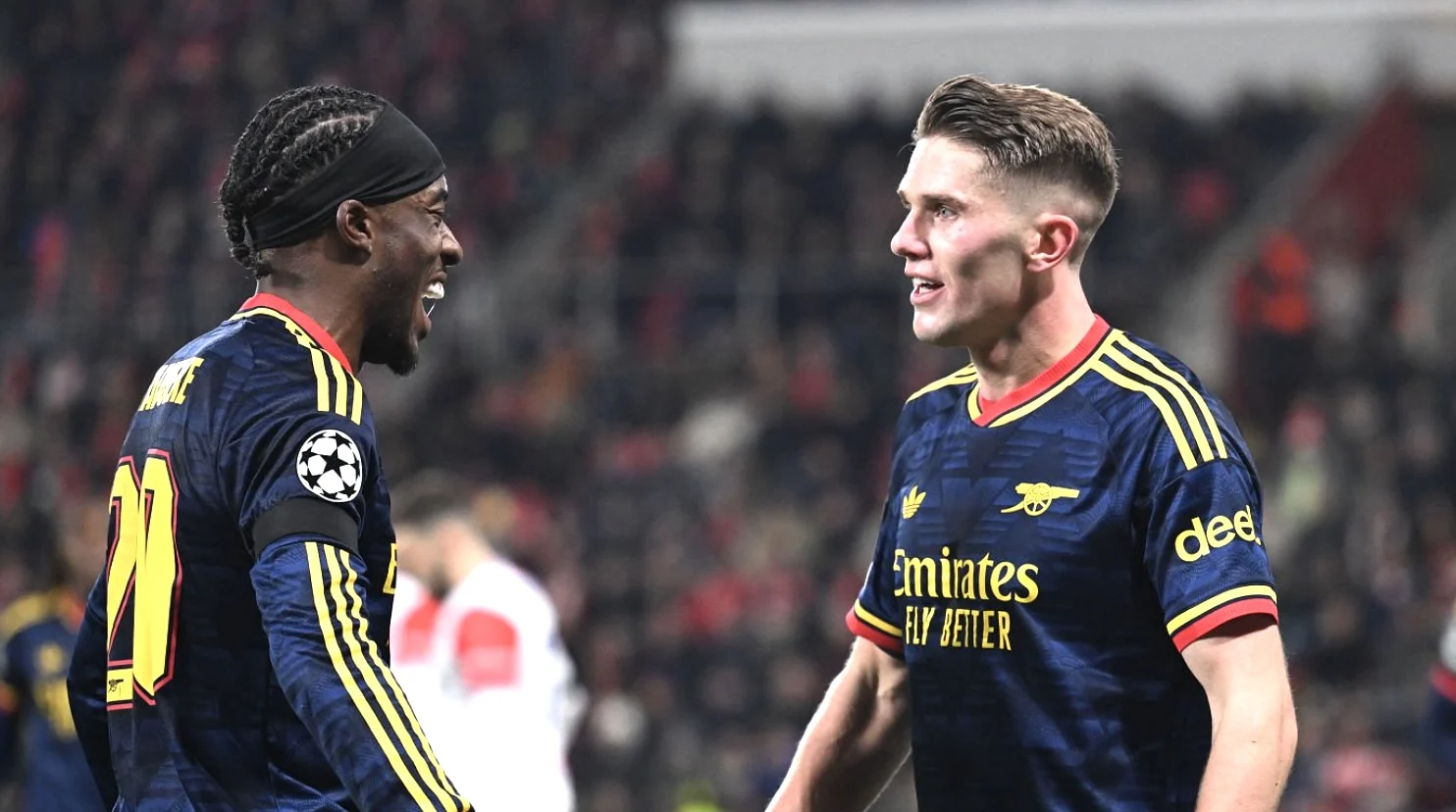
Arsenal have evolved in the way they attack this season. I think there’s a lot of improvement in the way Arsenal go about creating dangers that haven’t necessarily shown up on the scoreboard so far. It’s a particularly touchy subject this week after the draws with Newcastle and Borussia Dortmund – games in which Arsenal took a deserved one-goal lead but failed to build on it.
However, the failure to add any real ceiling-raising talent in attack this summer – despite strong interest in Morgan Rodgers, Vinicius Junior and Julián Alvarez – has resulted in Mikel Arteta having to coach his way out of a predicament. The manager has made some changes to his materials to make Arsenal’s final third less tight this season. Here are a few ways Arteta has developed the team’s approach to play.
Rotations and fluidity
Under Mikel Arteta, we are used to seeing the left-back enjoy a role based on improvisation and freedom. Last season we started to see Jurien Timber occupy some very advanced right back roles. This makes sense as full-backs usually don’t get marked by the opposition, so it’s easier for full-backs to pop around in advanced areas undetected.
This license was extended this season. Let’s look at some examples from the Newcastle game alone. David Raya plays a long pass here and *gasps* who’s the target man and brings the long ball down to the centre-forward? For God’s sake THIS IS EBERECHI EZE’S MUSIC?!
And look who sprints next to him in the number 10 position, but right back Jurien Timber. Madueke has a shot and hits the post from this build-up. Look where Timber is when Madueke shoots.
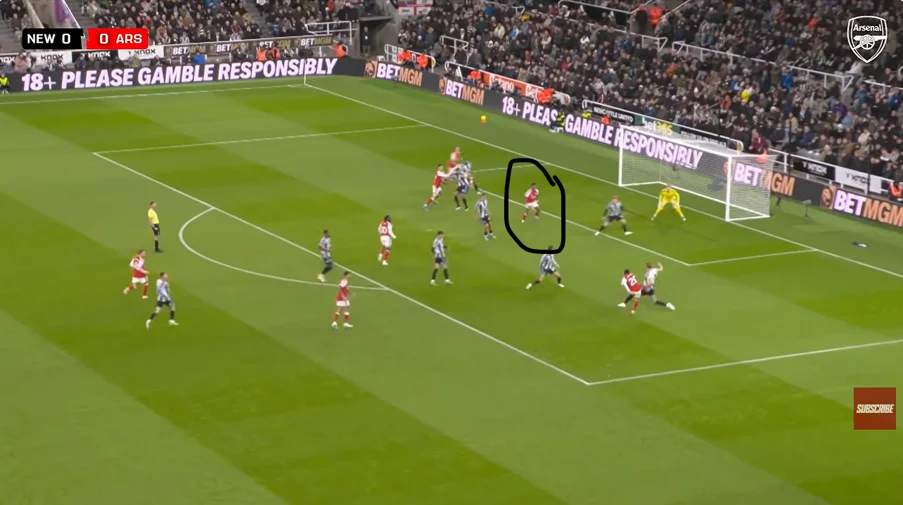
We then see Odegaard as a left-sided centre-back here (of course, what the hell?) and whose ferocious run forward does he opt for?
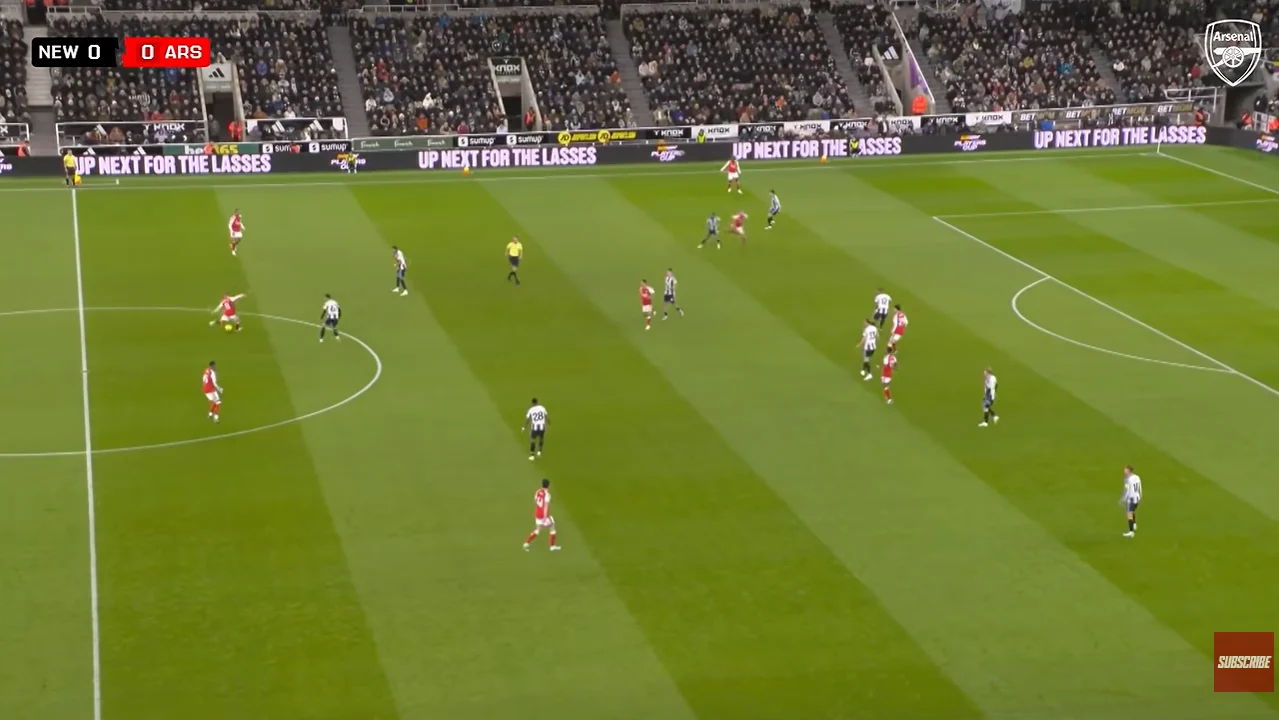
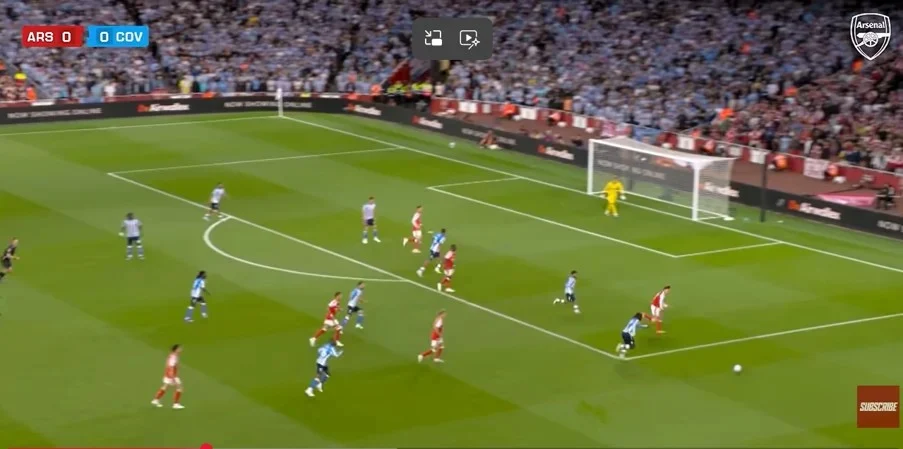
Why is Ricardo Calafiori. Noticing where Jurien Timber is when Arsenal have shots on goal has become a favorite pastime of mine. Where is Jurien in this shot?

Here he runs down the left wing to stop Havertz for a shot.

Thus begins the move for Eze’s goal. Konsa at right back, Timber in the centre, Calafiori in central midfield.

When Konsa threw the ball forward, Madueke showed the ball centrally as a number 9, while Havertz pulled into Madueke’s position. Calafiori continues to run like a horse without a jockey. You get the message by now, Madueke’s second-half goal saw Timber pass to Havertz at left-centre midfield.

One of Arsenal’s first strikes of the season was created by Tsolis drifting down the right wing and we had seen Saka manipulated into all sorts of shooting positions before his injury. Tsolis was also frustratingly caught in an ambush at St James’ Park when he drifted down the right wing. Hinkapie spent a lot of time in the center of midfield against Borussia Dortmund. Arsenal are a much more fluid team this season.
Midfield evolution
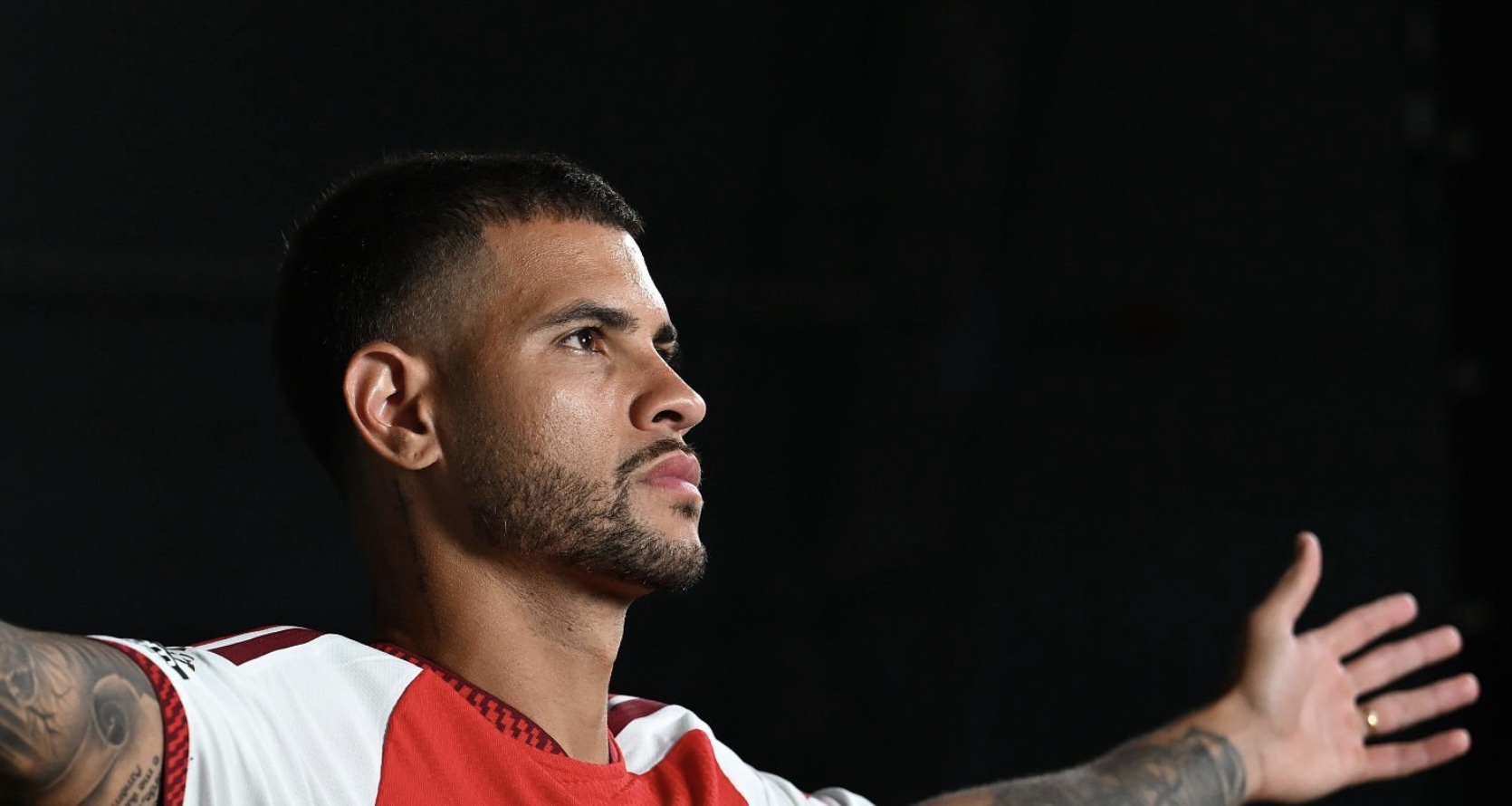
This sense of shape-shifting is reflected in the midfield. Rice and Odegaard almost always start, the identity of the third midfielder could be any one of Bruno, Luis Skelly, Zubimendi and Merino, all of whom are high-level players with very different qualities. Just the identity of these names gives you face value options.
Declan Rice leads the Premier League in assists this season and they have all come from open play. That alone tells you something different is going on. Midfield roles are less defined. There were probably times last season when the combination of rice and zubimendi got a little too “on the side” and not cutting enough. Spending big money on Bruno, 28, tells you what Arteta felt was missing from his midfield last season – risk and strength.
Bruno expanded on this in the pre-Dortmund press conference, he spoke of the midfield at Arsenal being much less defined positionally, where Reiss, Odegaard and AN Others (usually Bruno) will operate freely between the 6, 8 and 10 positions. “It’s very different. When I was at Newcastle, you play more positionally, you keep your position more. It’s a bit more free here.
“If you see the game against Newcastle, they marked us man-to-man. You see JT [Jurrien Timber] sometimes he plays sixes, eights and nines, so you have to move around a lot. Of course I wasn’t used to it. So now I understand a bit more what he wants for the midfield. I expanded the midfield a bit more in my column from two weeks ago.
Coaching of individuals
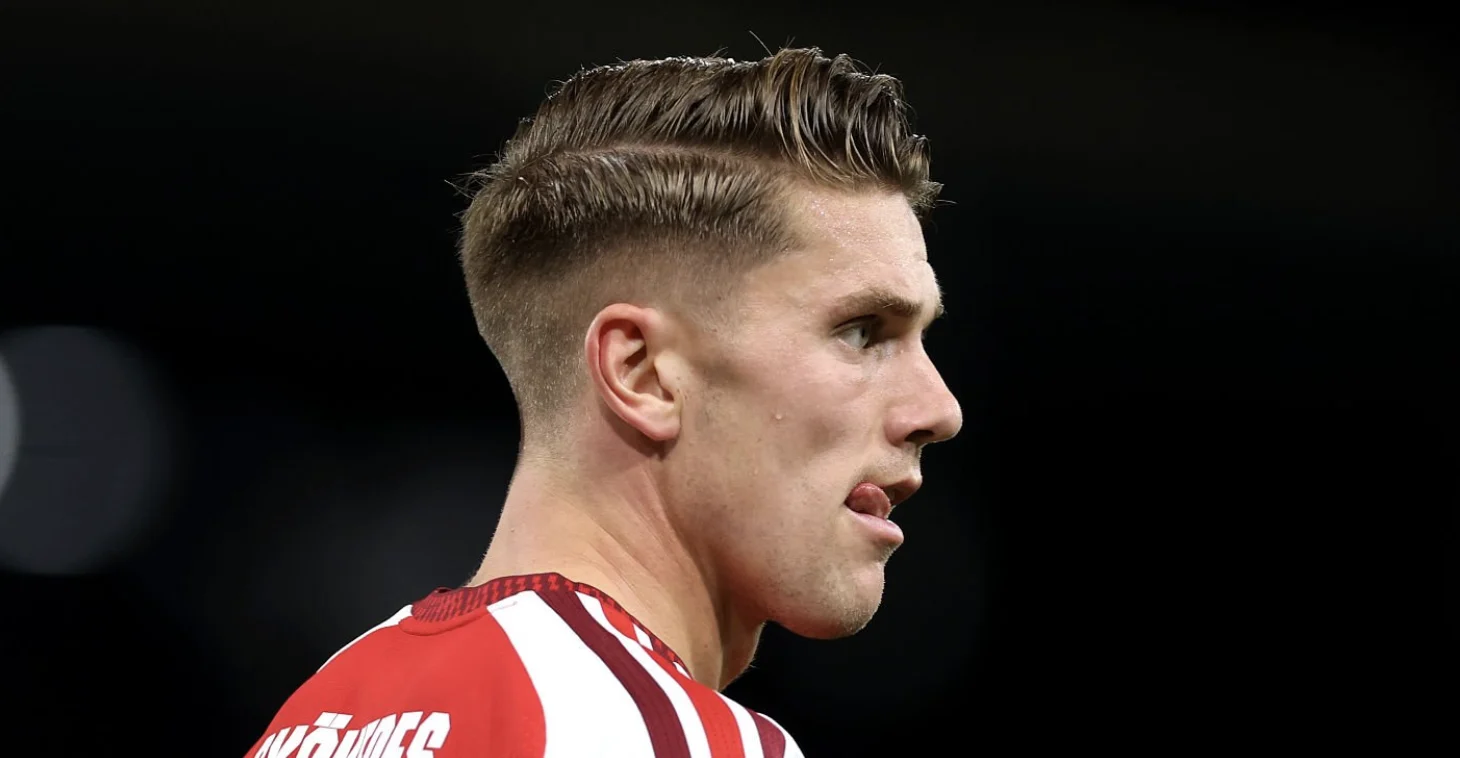
Arsenal have been unable to find a truly elite striker in recent years. Fortunately, Arsenal have a manager who might be the best at the moment. Apart from a shift to a more freestyle approach across the field, there are signs of improvement in the individuals.
Firstly, Noni Madueke seems to be thriving in the opportunities afforded him by Saka’s recent injury. He looks more confident, his actions have more clarity and Arsenal are treating Madueke like Saka, giving him the ball at every opportunity and relying on Noni’s ability to repeat.
He is averaging 3.28 shots per 90 in the Premier League this season compared to 1.85 per 90 last season. (He’s also averaging fewer crosses per 90 this season, suggesting a growing willingness to vary his game and aim at goal as often as he does on the line). His pass completion percentage is up 10% from last season.
The goal against Dortmund saw Madueke soften a long pass, chip it perfectly and flick it to Gökeres, who turned and slotted the ball home from 25 yards. That’s not a description of the goal I could have predicted back in September. Gokeres really started the season very badly.
Luiz touched on Gokeres’ increased creativity this season during the international break. I think there was a focus on allowing him to offload the ball after one or two touches. You really don’t want the ball to get bogged down in Gyokeres, the more touches he takes the more his technical limitations will show.
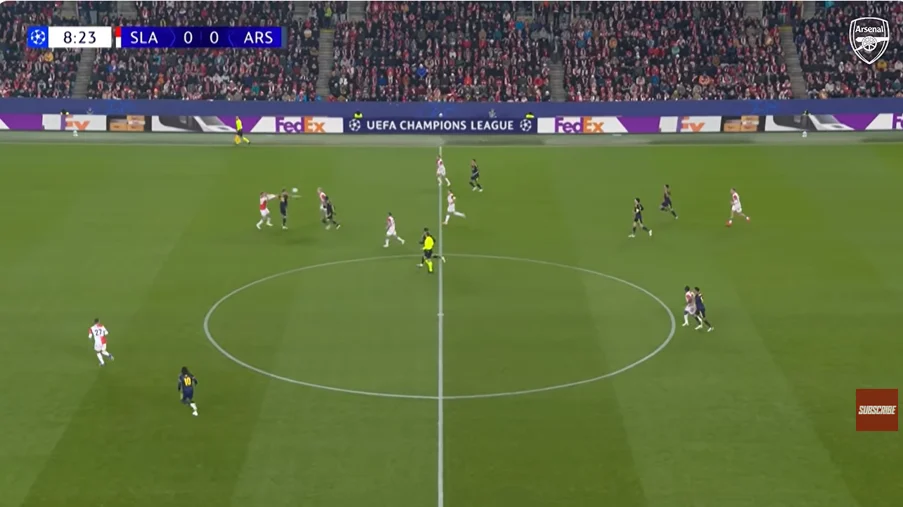
Gokeres gets the ball from Raya’s kick here and Madueke is nice and close to him and runs in behind.
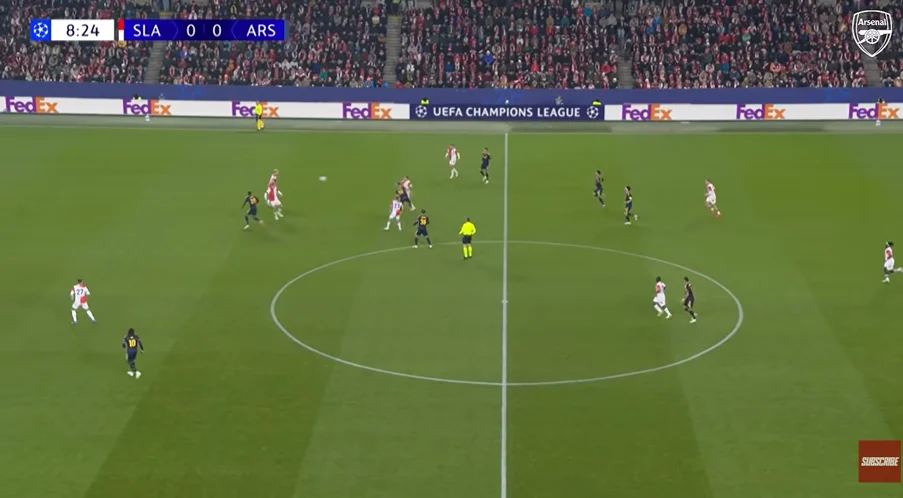
This means Gyokeres can take a touch and then play from behind. We see something very similar about the chance he creates for Havertz away to Brighton, Havertz is already moving when the ball comes to Gökeres and that means he can take one touch and hook it in behind.
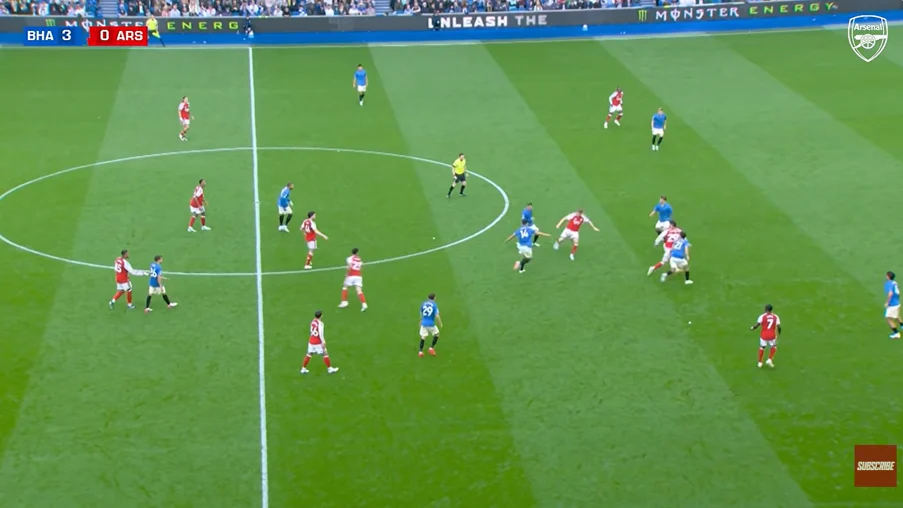
Then there is his wonderful one-touch assist for Declan Rice in Munich, where again he has a runner very close to him and that allows him to play the ball for the first time.
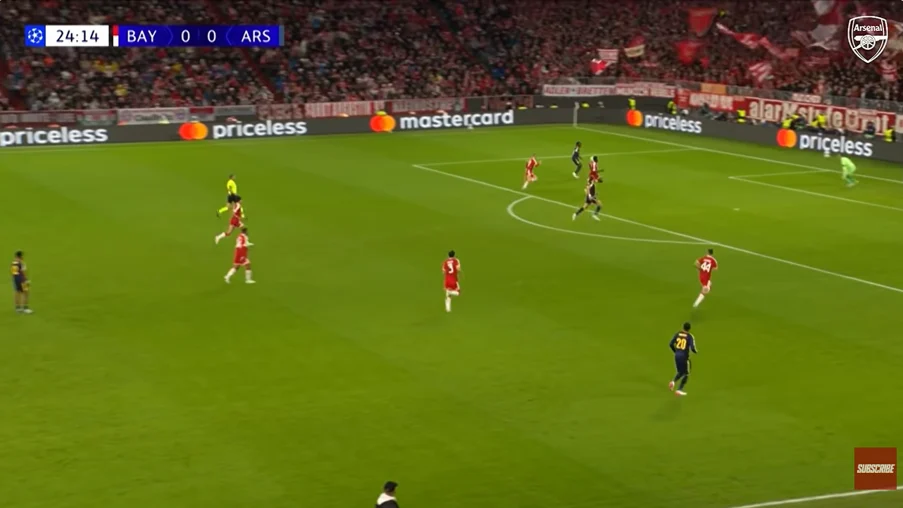
Arsenal are also working on getting Eze in from the back and moving towards goal, see his position here when Odegaard plays a central ball in Munich.
And look where he is when he taps in Havertz’s lovely pass at St James’ Park.
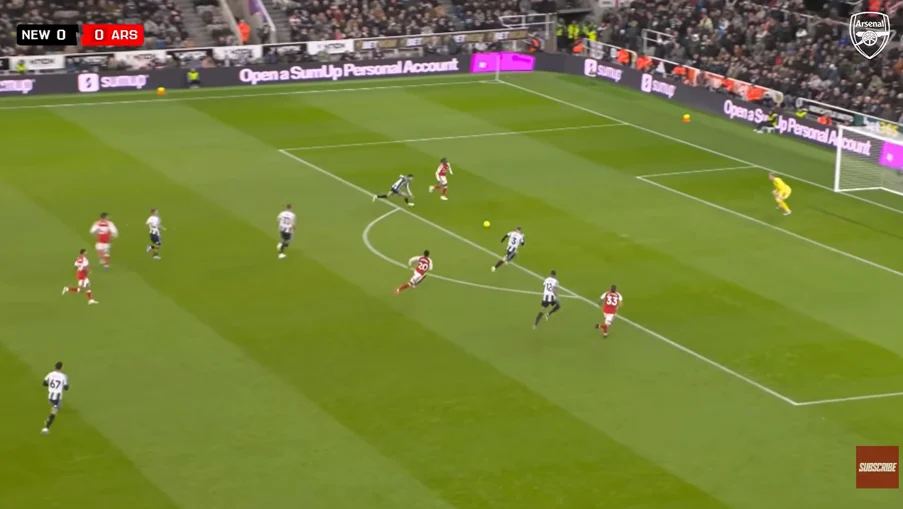
Putting Eze on the shoulder of the opposition right-back is another move that we sporadically see bear fruit. This fits into a wider theme I touched on two weeks ago about Arsenal falling behind more often and more quickly this season.